Limited spots left this month—book yours today
Get your FREE
Quote Today
By pressing 'Get a FREE Quote' you are agreeing to our terms and conditions and privacy policy, and consenting to receive text messages.

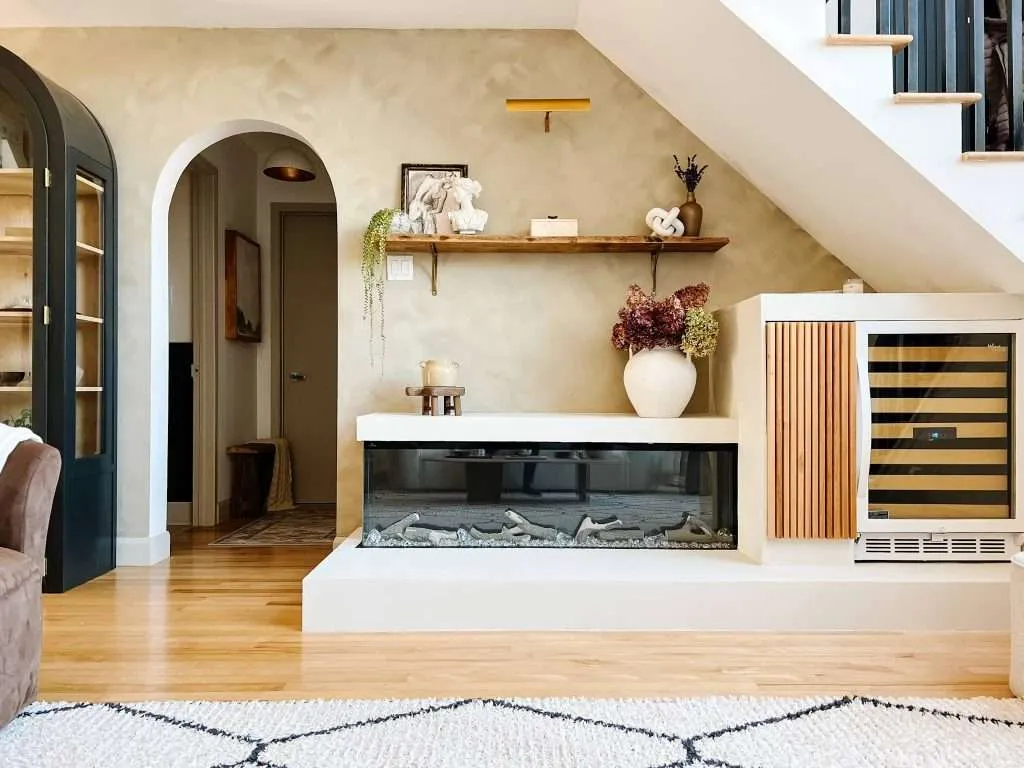
Roman clay is a mineral-based plaster finish designed to create soft movement, layered texture, and natural stone-like depth on interior surfaces. Unlike traditional paint, Roman clay is applied by hand using specialty trowels that create subtle tonal variation and organic texture throughout the surface.
Many homeowners choose Roman clay for:
Popular products like Portola Paints Roman Clay have helped fuel demand across high-end Arizona interiors inspired by organic modern and Mediterranean design trends.

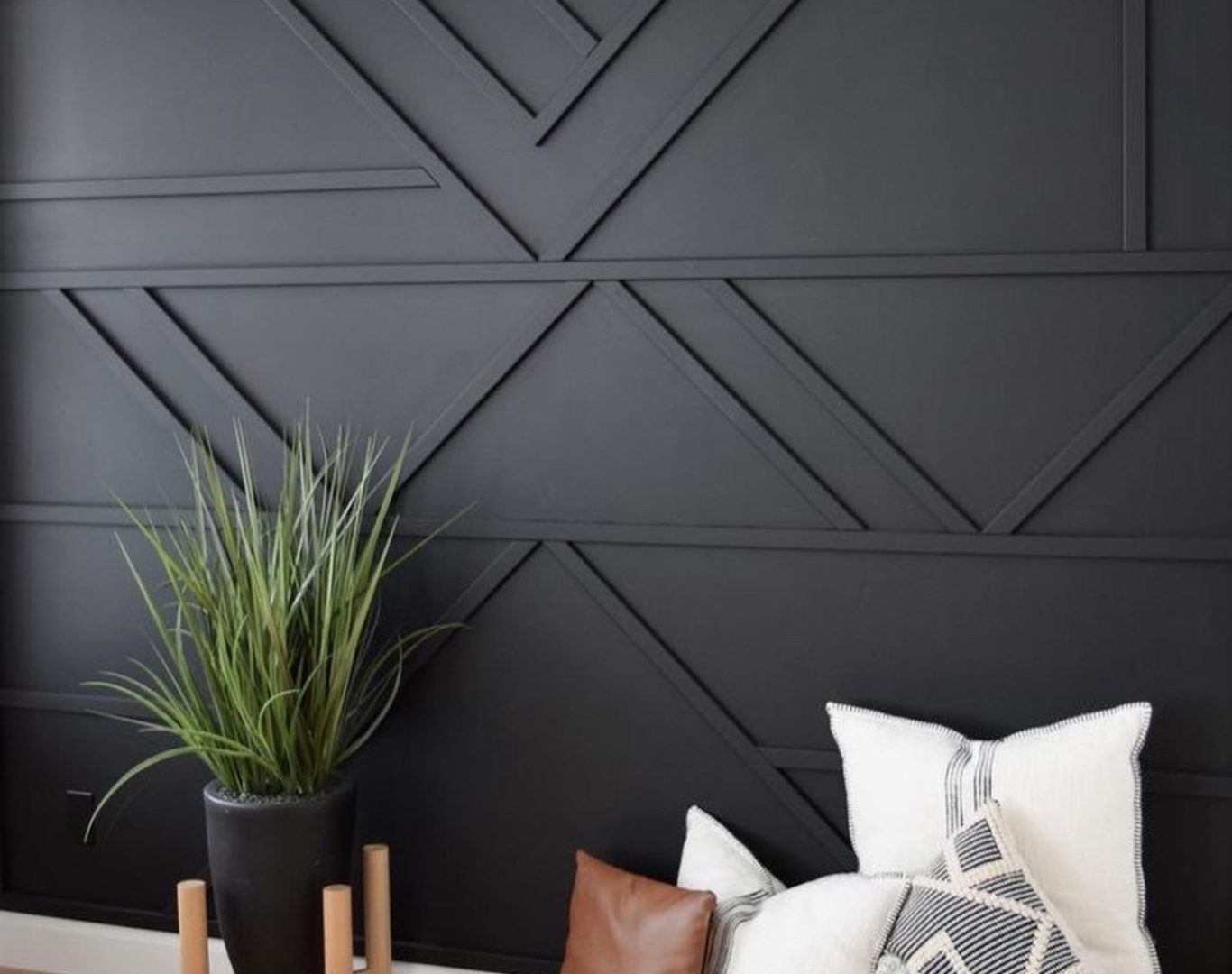
Most Roman clay projects in Scottsdale and Phoenix range from $12 to $18 per square foot installed depending on prep complexity, finish layering, ceiling height, and wall condition.
Roman clay costs significantly more than traditional interior painting because it involves specialized artistry, slower application techniques, and labor-intensive finishing processes.
Project size and surface complexity play major roles in determining total Roman clay finish cost Arizona homeowners can expect.
| Project Type | Typical Cost Range |
|---|---|
| Powder room accent wall | $750 – $1,500 |
| Fireplace surround | $1,200 – $2,800 |
| Bedroom accent wall | $1,800 – $4,500 |
| Full-room application | $4,800 – $10,800 |
Homes throughout Scottsdale, Paradise Valley, and Arcadia often feature tall ceilings, oversized feature walls, and architectural niches that require additional application time and detailed hand-finishing.
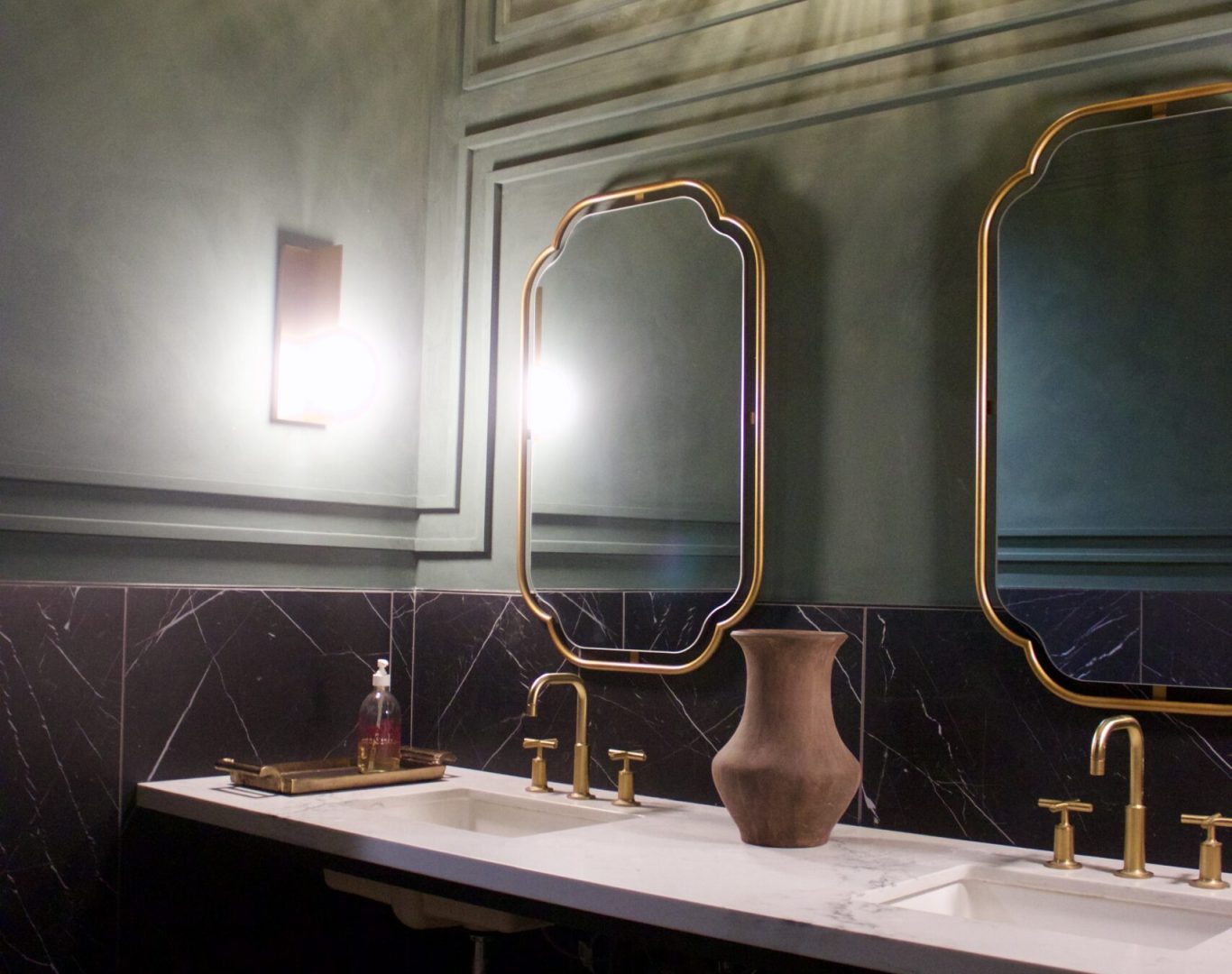
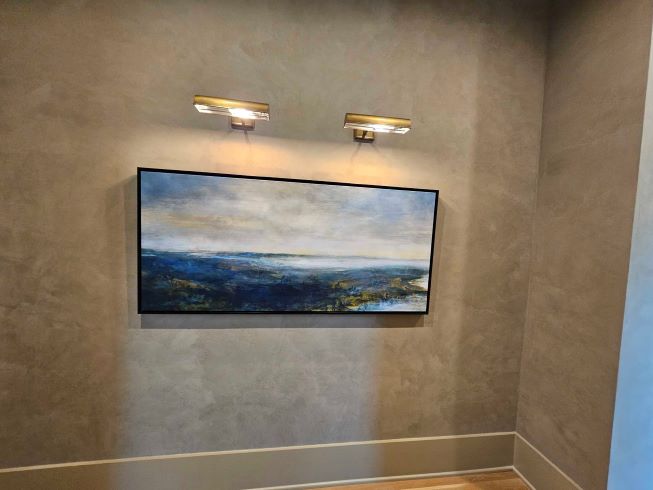
Several factors affect how much does Roman clay cost estimates throughout Scottsdale and Phoenix.
Roman clay performs best on smooth surfaces. Heavy orange peel or knockdown wall textures commonly found in Arizona homes usually require skim coating before installation can begin.
Prep work may include:
Extensive prep work often becomes one of the largest contributors to final project cost.
Most Roman clay applications involve multiple coats to create depth and movement. Multi-tone finishes, layered textures, and designer color blending increase labor time significantly.
Large feature walls, stairwells, vaulted ceilings, and fireplace installations often require scaffolding and more intricate trowel work, increasing both labor and setup time.
Premium products like Portola Paints Roman Clay or Domingue Architectural Finishes typically cost more than lower-end alternatives but often provide richer texture and better consistency.
Roman clay is highly technique-dependent. Experienced installers understand how pressure, movement, layering, and drying conditions affect the final appearance of the finish.
Many homeowners comparing specialty wall finishes also evaluate limewash and Venetian plaster before making a final decision.
| Finish Type | Typical Cost | Appearance |
|---|---|---|
| Roman Clay | $12–$18/sq ft | Soft depth and texture |
| Limewash | $9–$15/sq ft | Chalky matte movement |
| Venetian Plaster | $15–$25/sq ft | Polished marble appearance |
Roman clay is especially popular in Scottsdale homes because it balances subtle texture with modern warmth without appearing overly glossy or reflective.
Traditional interior painting generally ranges between $2 and $6 per square foot, while Roman clay costs substantially more because of the craftsmanship involved.
Roman clay applications require:
Each wall develops a unique appearance based on application movement and layering, making Roman clay much closer to decorative plaster artistry than conventional painting.
Professionally installed Roman clay finishes can last 15 to 20 years or longer when properly maintained. Because the finish develops natural movement and variation, minor aging often blends into the overall aesthetic more naturally than standard painted walls.
Proper maintenance typically includes:
Touchups can sometimes be blended successfully, although matching hand-applied texture perfectly requires experience and careful technique.

Roman clay appears simple in online videos, but achieving a balanced and consistent finish across large walls can be difficult without professional experience.
Common DIY issues include:
Fixing failed DIY Roman clay often costs significantly more because walls may need to be skim coated and completely refinished before professional application can begin.
Roman clay is still relatively niche throughout Arizona, which makes installer experience especially important.
Homeowners should look for:
Many luxury homeowners also request designer color consultations before selecting final Roman clay finishes for feature walls and fireplaces.
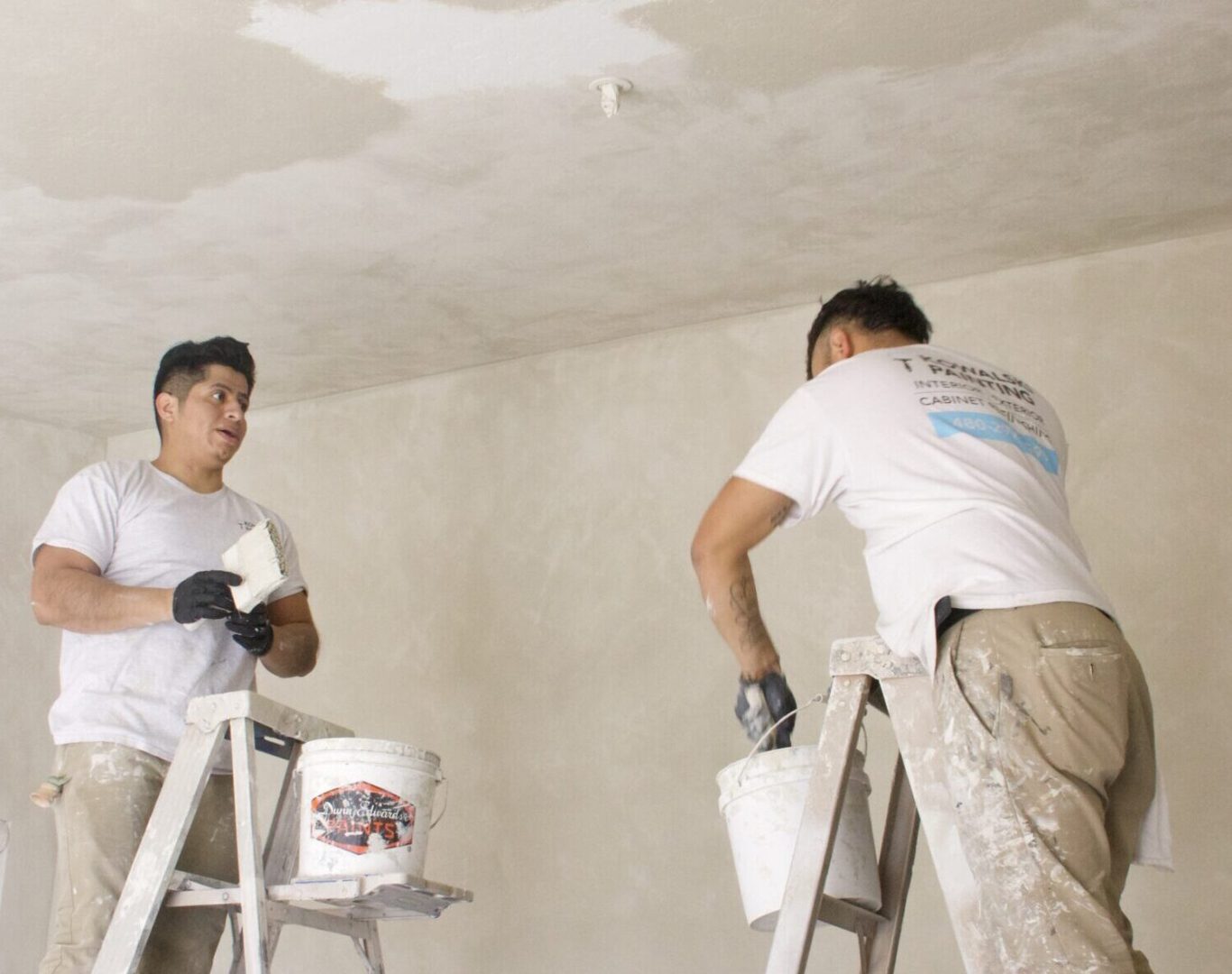

Kowalski Painting provides specialty Roman clay applications tailored for modern Arizona interiors throughout Scottsdale, Paradise Valley, Arcadia, Gilbert, Mesa, Chandler, and Phoenix.
Projects may include:
These details help homeowners confidently invest in high-end specialty wall finishes designed for long-term durability and visual impact.
Most Roman clay projects in Scottsdale and Phoenix range between $12 and $18 per square foot installed depending on prep work, wall condition, layering complexity, and finish style. Specialty installations with fireplaces, niches, or high ceilings may cost more. Kowalski Painting provides customized Roman clay estimates based on each space.
Roman clay is often worth the investment for homeowners seeking a luxury finish with more depth and texture than traditional paint. The finish creates a custom designer appearance that works especially well in modern and Mediterranean-inspired interiors. Kowalski Painting helps homeowners choose finishes that fit both style and budget goals.
Professionally installed Roman clay can last 15 to 20 years or longer with proper maintenance. Gentle cleaning and avoiding abrasive products help preserve the finish over time. Kowalski Painting uses professional prep methods and premium materials designed for long-term durability.
Roman clay creates a smoother, more layered texture with subtle movement, while limewash typically produces a softer chalk-like matte appearance. Both are decorative mineral finishes but achieve different visual styles. Kowalski Painting helps homeowners compare specialty finishes before selecting the right option.
DIY Roman clay is possible, but achieving a smooth, balanced finish across large surfaces can be difficult without experience. Uneven trowel marks and inconsistent texture are common beginner issues. Professional installation helps ensure a cleaner final appearance and more consistent finish quality.